The Best Brain & Spinal Motion Training

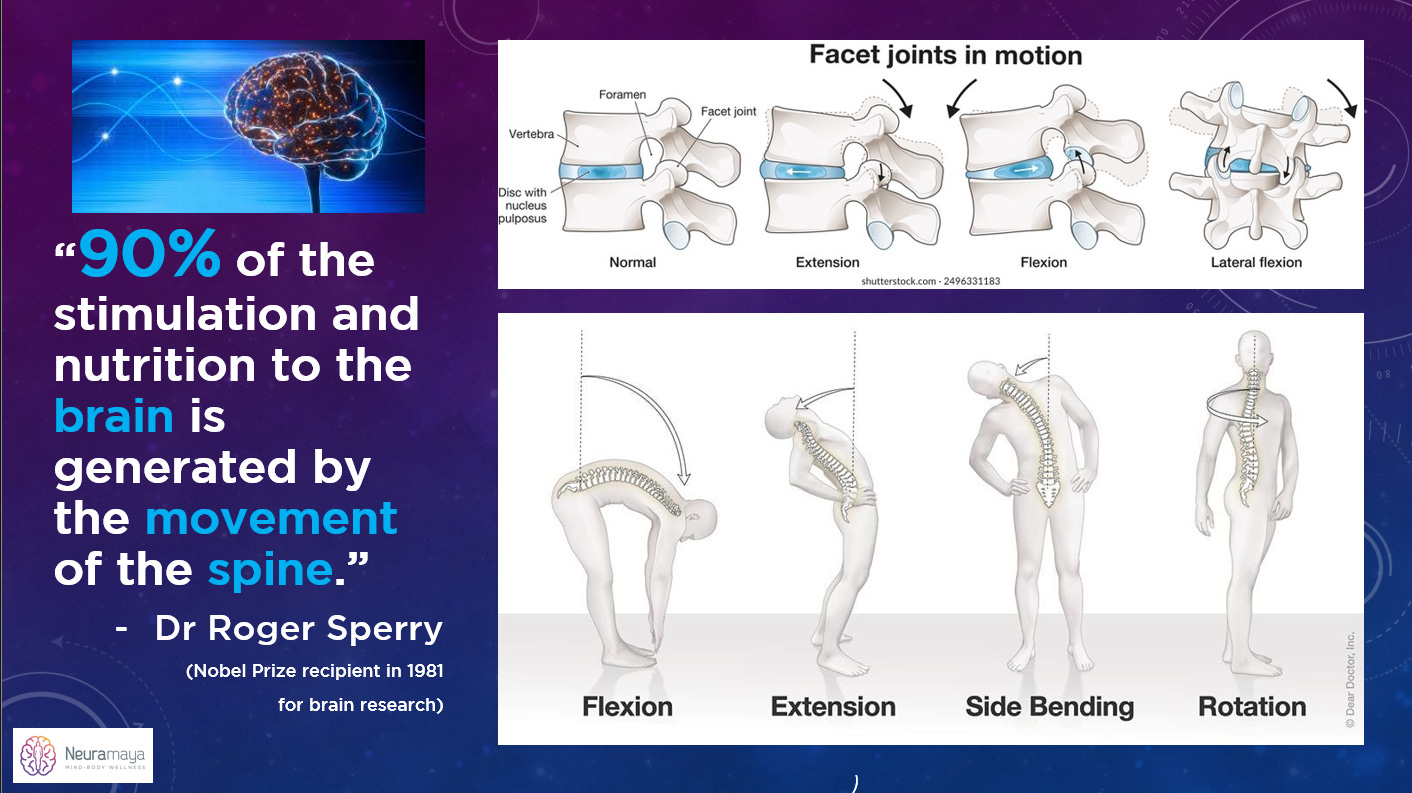
The spine is the most dynamic joint complex of the body, with over 80 joints, 33 bones, and hundreds of muscle attachments. Unfortunately, modern life does not allow the spinal column to achieve its full potential, which also limits the brain and nervous system’s capacity to function optimally.
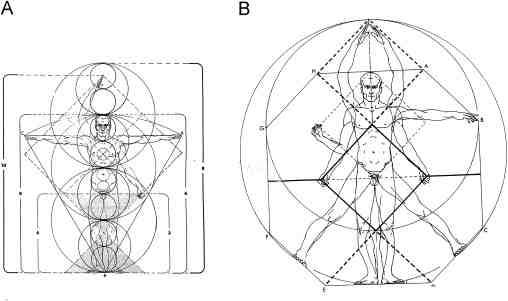
Since beginning my chiropractic practice nearly 30 years ago, I soon realized that traditional gym exercises — even most sports — rarely engages the spine in an effective and balanced way. The human body moves in a circular pattern, so it would only make sense that training the spine to move better would require balanced circular motion.
The linear nature of most exercises, especially at typical gyms, seldom compliment the way the human body is meant to move, and rarely engages the spine dynamically. This has taken me on an interesting journey to find an optimal way to improve spinal coordination, motion, and balance in a mindful and safe way.
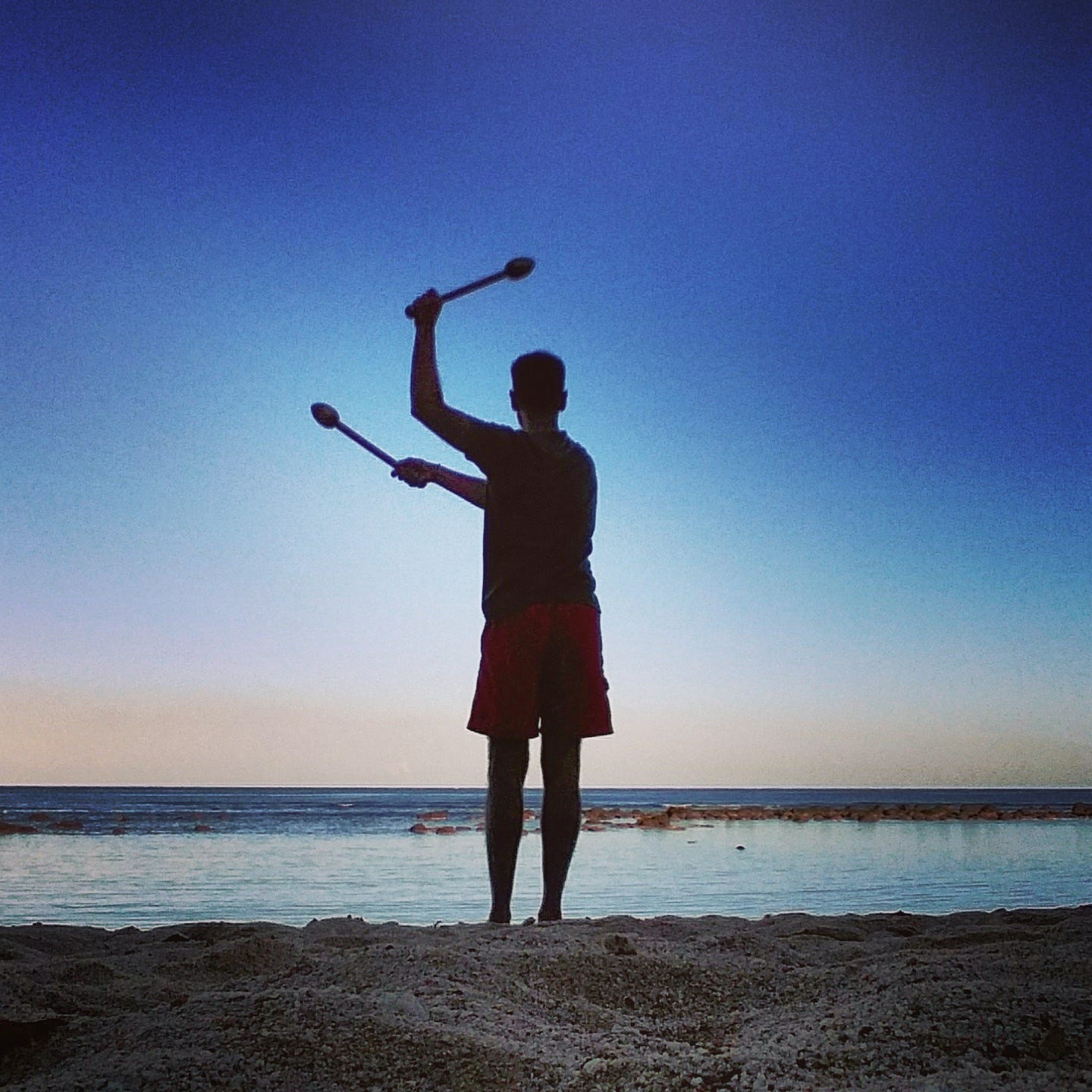
Until recent times, swinging an object around the body was a common way to exercise, and has gained popularity once again. The first time I tried this form of training, I immediately felt the positive effects on the spine. This led me to learn various types of training that involved swinging weighted elements in a controlled manner, including light wooden or Indian clubs (see image above), kettlebells, clubbells (see image below), and most recently the steel mace. I believe that this type of training is one of the reasons that I have managed to maintain the same height, despite being nearly 54 years old. Most men lose about 2.5 cm in height by the age of 50. In fact, I’ve seen some lose up to 5 cm by this age.

While all of these training tools have had a definite beneficial effect, I could not recommend them confidently to most of the people that I see. This year, I finally came across a type of movement training that engages both the mind and the spine in an enjoyable and effective way — that anyone can benefit from.

This practice is called Rope Flow and was created by a pioneering fitness trainer and inventor named David Weck, who is most well-known for inventing the BOSU Balance Trainer. In 2004, after meeting Buddy Lee, one of the best jump ropers in the world, David wondered if the creative patterns made with a jump rope can be done without jumping. This would allow anyone to experience the mind-body engagement of maneuvering the rope in unique patterns without tiring quickly from continuously jumping, and thus allowing even an unfit person to experience the benefits.
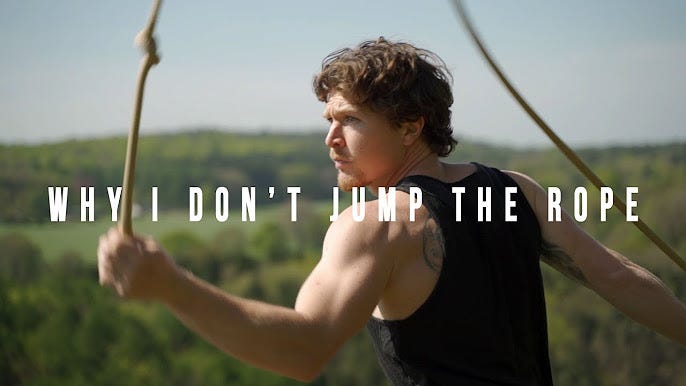
After much thought and innovation, the practice of RopeFlow was born. While this form of exercise has only garnered a niche following, I believe that this will change soon, as more health care providers, influencers, and trainers learn to appreciate this movement practice. Soon after I began this practice, I realized that this is much more than just exercise, as it not only wakes up the spine, but the mind, as well.
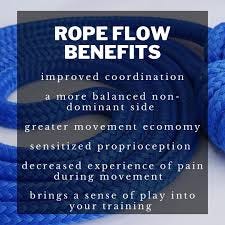
To understand why RopeFlow engages the brain in such a profound way, one needs only to consider the amount of the brain’s cortex that is directly connected to the hands. This was demonstrated recently by a team at the Natural History Museum in London, that created a “three-dimensional representation (see image below) of the homunculus [which] shows what a man's body would look like if each part grew in proportion to the area of the cortex of the brain concerned with directing movements.” As you can see the hands take up an extremely large proportion of the brain’s motor control, which shows that any activity that engages both hands will result in balanced feedback to the brain.

Unfortunately, with most of life’s activities favoring one side of the body — including most sports — this brain stimulation becomes quite unbalanced. This also results in the spine being essentially torqued more in one direction, which creates yet another dilemma.
This is where a practice like RopeFlow can be so effective in not only balancing the brain, but also the spine. While everyone can benefit from this movement training, regardless of their fitness levels, the following groups will likely notice the most benefit and often in a short time:
Those that spend most of their days sitting.
Anyone that plays a sport that uses one side of the body more than the other, such as golf, padel, tennis, squash, etc.
Runners and cyclists who rarely participate in sports that involves the hands.
Anyone that struggles with neck and back stiffness, aches, soreness or pain.
Anyone with poor coordination and balance.
Anyone that feels more comfortable with poor posture.
Weightlifters and athletes that would like to improve their spinal mobility.
People that want to move more, but don’t enjoy the repetitive nature of most types of exercise.
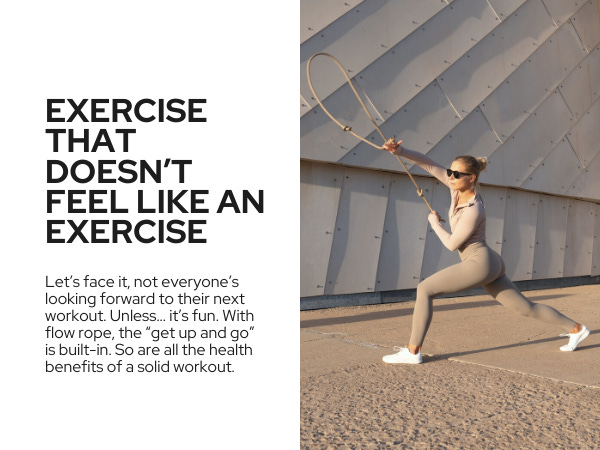
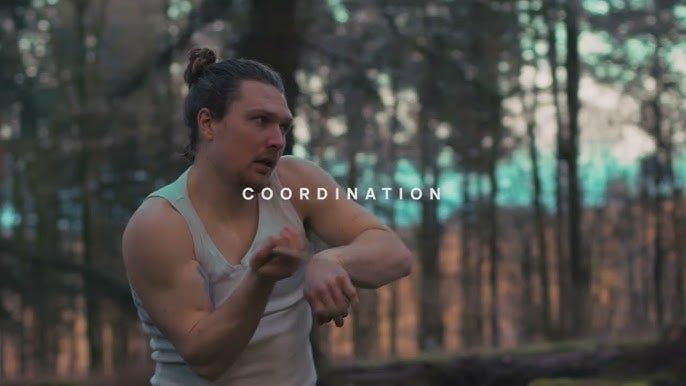
When I began learning about RopeFlow, I was struck by the wide range of people of all ages and fitness levels that benefit from this practice. The video linked under the image below will show you what I mean.
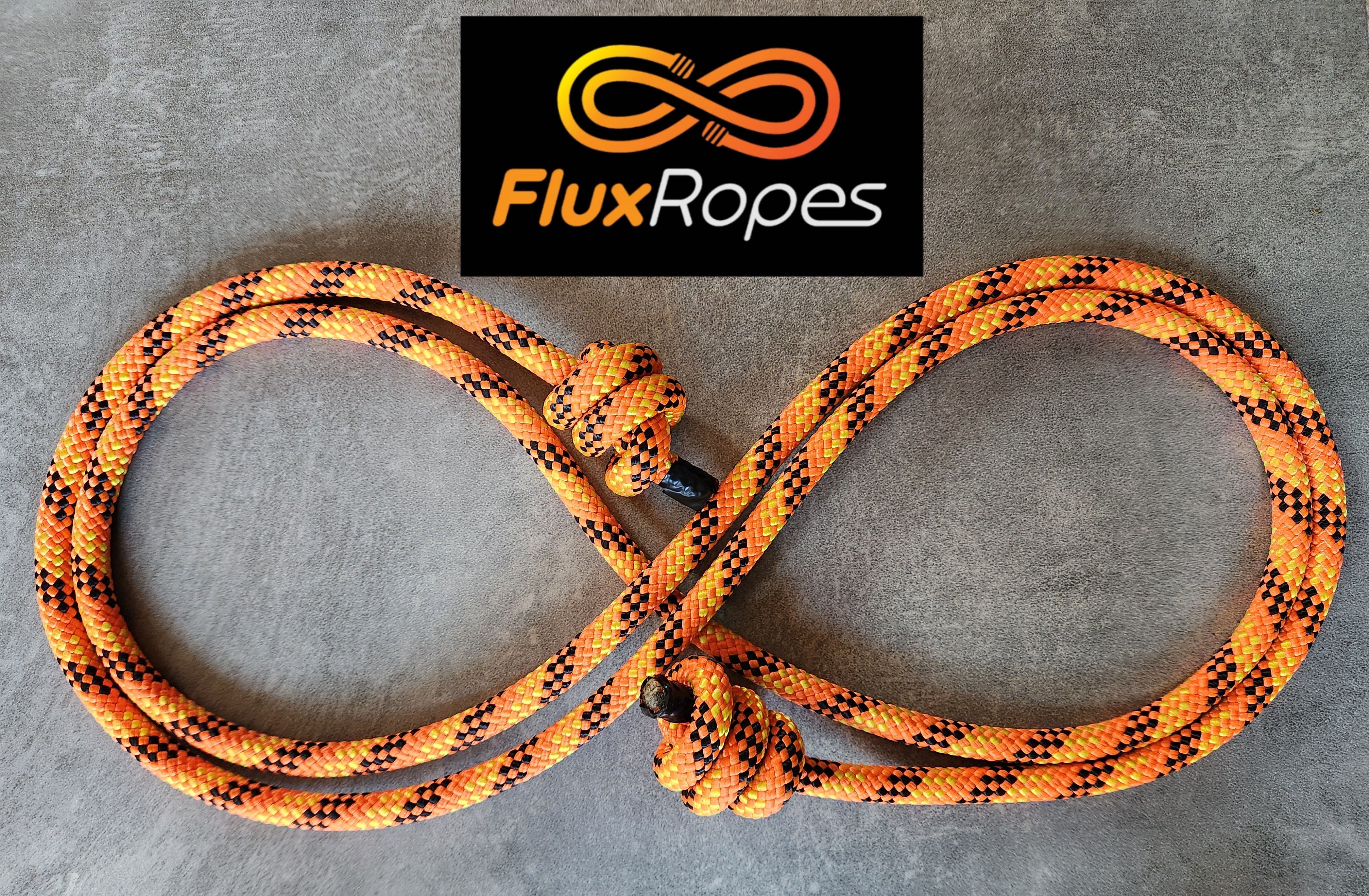
In order to get the most benefit from RopeFlow, one must begin by learning the basic principles and patterns. From there, you can expand your practice as far as you like. We are now also selling light and medium-weight flow ropes, all made here in South Africa, that have been carefully selected and individually prepared by hand for this unique and life-enhancing practice.
In my next articles, I will provide a guide to learning how to begin RopeFlow from the experts and seamlessly add it to your fitness and lifestyle routine. After more than 28 years in clinical practice as a neurologically-focused chiropractor, I’m very grateful to be able to recommend this safe, simple means of enjoyably and effectively improving spinal function and the mind-body connection.
by SJ NANA, DC, DrNana.co.za

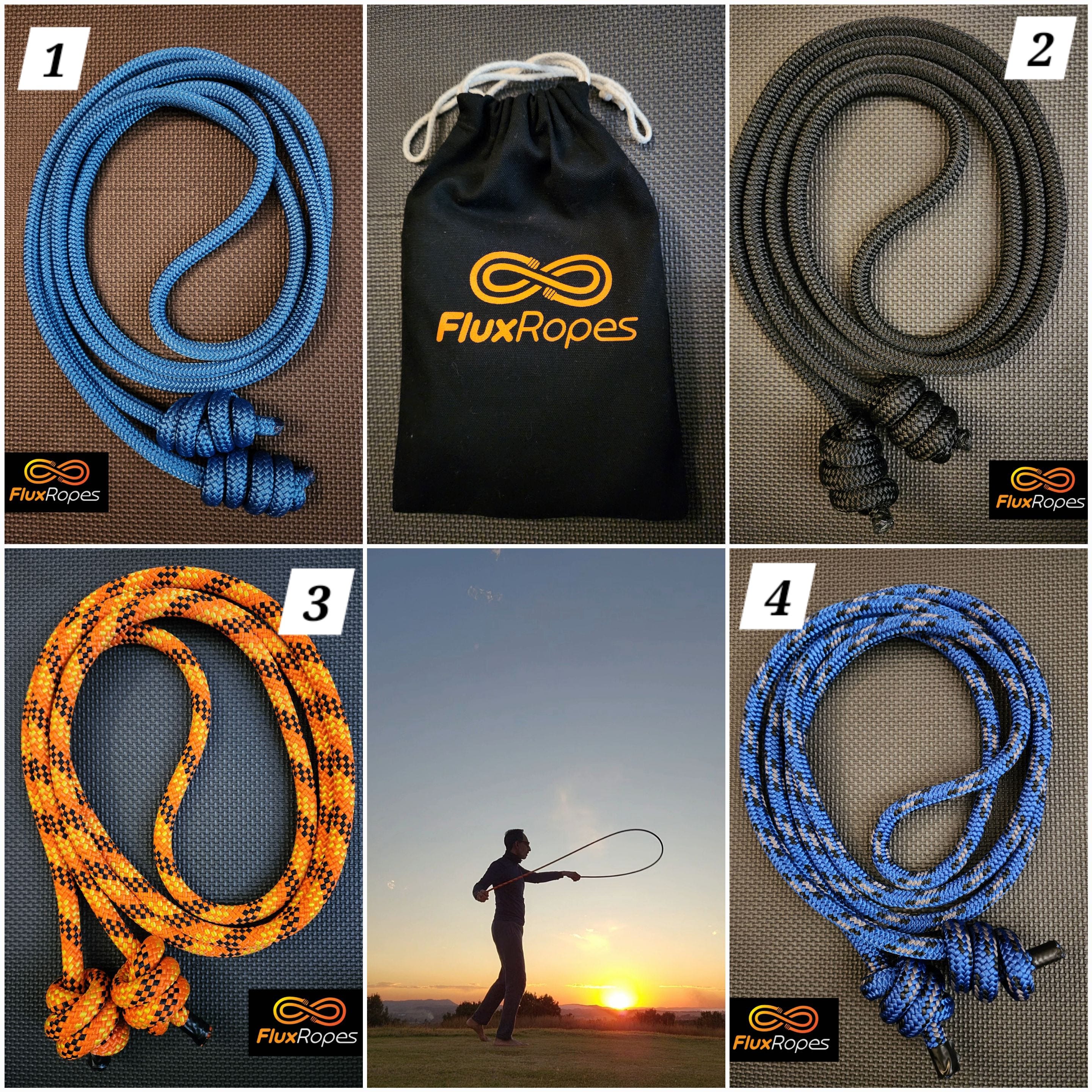
FluxRopes available:
FluxAwakener* - Blue Edition: R420
FluxEnergizer** - Black Edition: R520
FluxEnergizer** - Tiger Edition: R580
FluxEnergizer** - Panther Edition: R580
* FluxAwakener is a light-weight flow rope suitable for all fitness and skill levels, but better for those that weigh less than 95kg.
** FluxEnergizer is a medium-weight flow rope suitable for those who are at least moderately fit, weigh over 95kg, or looking for more resistance after flowing with the light-weight ropes for more than 3 months.
*** All FluxRopes purchases include a FREE 100% cotton drawstring travel bag.
Order online at FluxRopes.com
Please specify your height in meters, if you would like a customized length.
Shipping cost will be determined after ordering or can be collected from our office at:
Neuramaya, Highveld Medical Centre, Unit 5, 1 Charles de Gaulle Drive, Highveld, Centurion
References:
Pilot Study Analyzing the Effects of Acute Indian Club Swinging on Strength, Endurance, and Mobility
Men’s Health Magazine: What Happened When We Replaced Lifting Weights With Rope Training
A Surprising New Way to Reconnect the Mind and Body (Interview With Rokas Move)
The “Little Person” in the Brain Who Helps to Direct Our Movements
Video: Over 50? This Simple Exercise Will Change Your Life in 8 Days
Please see my other articles related to this topic: